Closed-cell foam insulation in Twin Falls ID - a tight, dry seal in less space
Cold floors over the crawl space, a drafty room over the garage or no room for batts? We seal and insulate in one dense layer.
- Service
- Closed-cell foam insulation
- Call
- (208) 544-9023
What signs point to a closed-cell foam job?
Cold floors in winter
If the floors stay cold even with the heat turned up, outside air is usually slipping in at the rim joist, the band of framing where the house sits on the foundation. Left alone, that draft keeps the furnace running harder every winter and can chill any pipes that run along that wall.
A musty, damp crawl space
A musty smell, sagging batts or dark spots on the wood down there usually mean moisture is coming up from the ground and settling on the framing. The longer it sits, the more water those batts hold, and wet framing can start to grow mold or go soft.
Drafty room over the garage
When the room over the garage runs hot in summer and cold in winter, the floor and short walls up there usually have thin insulation and gaps that let garage air through. Every season it waits, you pay to heat and cool a room nobody wants to sit in.
Is closed-cell foam worth the extra cost for my house?
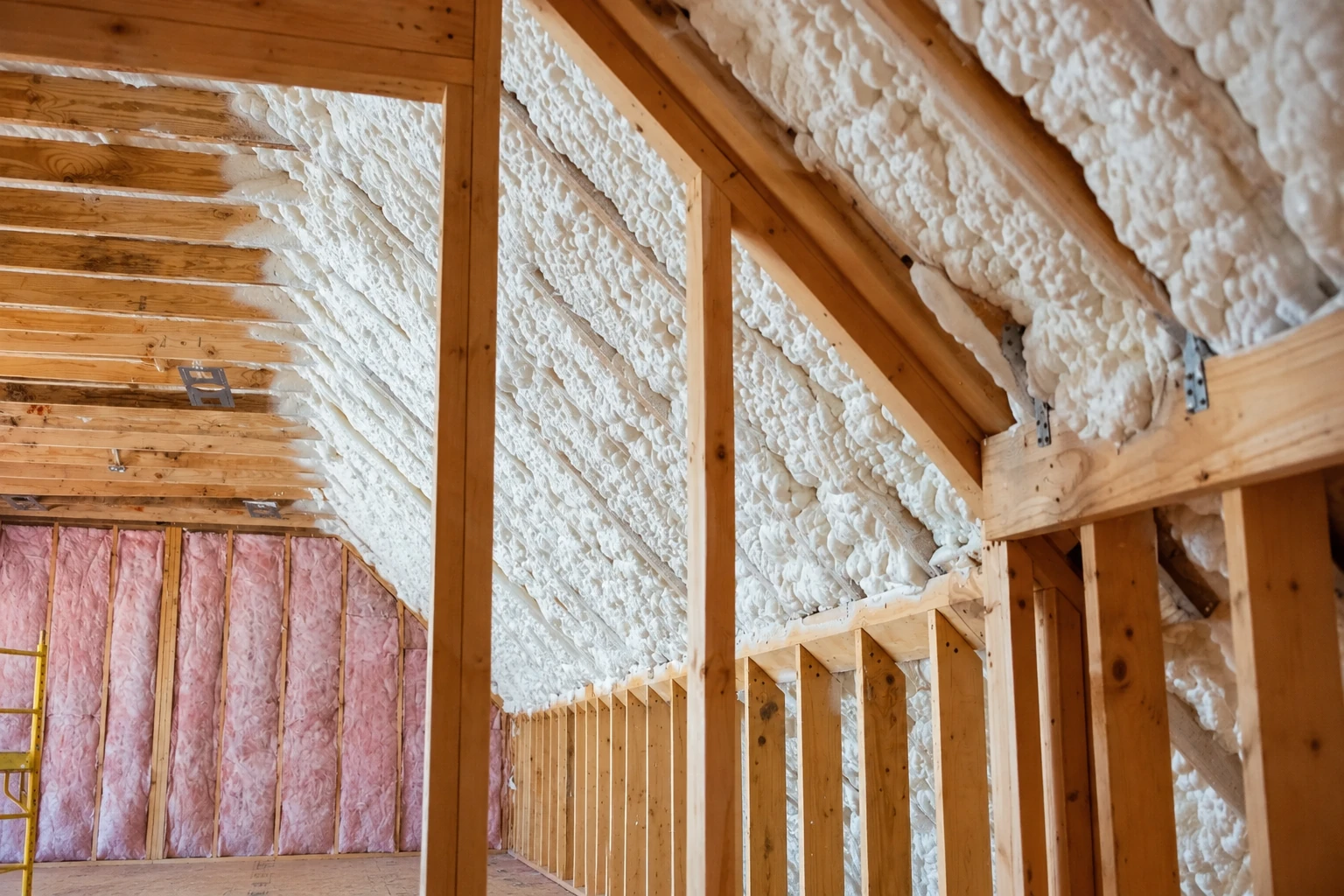
Closed-cell foam insulation is a dense foam we spray onto rim joists, crawl space walls, rooflines and other tight or damp spots in Twin Falls homes, and it seals air, slows heat and blocks moisture in one thin, rigid layer. It earns its price where there's no room for thicker insulation or where damp is part of the problem.
Most people who call me about closed-cell have one spot that won't behave, a damp crawl space wall, a drafty rim joist or a roofline too shallow for batts, and they want to know if foam is worth it. Foam pays off in those tight or damp spots because it seals air while it insulates, but for an open attic floor, sealing the gaps and topping up with blown-in insulation usually wins for less, unless your ductwork runs up there. On a foam job, the price moves with the square feet we cover, how thick the foam needs to be and whether old insulation has to come out first, and the schedule turns on that prep and on your family having somewhere to stay on install day. Once I've looked the spot over, your estimate puts a price on your house and tells you if anything needs fixing first.
Details to note before an estimate
- Rough size of the area to cover
- Crawl space, rim joists, walls or roofline
- Damp spots, mold or old insulation
- Anyone at home with asthma or allergies
How we install closed-cell foam insulation
We use closed-cell where space is tight or a spot has to handle moisture as well as heat, and I'll tell you up front that it costs more than other options and that your household will need to stay somewhere else while it goes in. Before anything gets sprayed, I check what's already there, because foam over soaked insulation or insulation full of droppings just seals the problem in, so that comes out first. Then our crew covers everything that shouldn't get foam on it, sprays the foam to an even depth with the edges as full as the middle, trims it back where it needs to be and cleans up after itself.
Closed-cell isn't the right foam for every spot. Where there's room for a thicker layer and moisture isn't the worry, open-cell foam insulation usually does the job for less money, and I'll say so at the estimate. Small business owners call us too, and our commercial insulation work puts the same foams into shops, offices and roofs that need a tight seal without giving up room inside.
Related insulation work
Open-cell foam insulation
For interior walls, ceilings between floors and other spots that stay dry, the softer foam fills every cavity and cuts down noise between rooms.
Commercial insulation
If you own a shop, office or metal building that's drafty or sweats under the roof, we insulate it and work the timing out with you.
What happens after you call about closed-cell foam?
Call or send us a note
Reach us at (208) 544-9023 or through the form below, and tell us which spot is giving you trouble. We'll set a time for me to come out.
I look the house over
I check the attic, walls, crawl space or basement and what's already in there, then give you a price for your house and talk through where your family will stay on install day. If something needs fixing before foam goes in, like wet insulation or a leak, you'll hear about it first.
Our crew sprays the foam
Our lead installer, who knows everything you and I talked about, runs the crew while your household is away. The crew covers what shouldn't get foam on it, sprays, trims and cleans up.
We walk the finished job
Once it's time to come back, we walk the finished job with you and show you what went in. Satisfaction guaranteed on every job, so if anything doesn't look right to you, that's the time to say so.
What people ask about closed-cell foam
How much does closed-cell foam insulation cost in Twin Falls?
Installed closed-cell spray foam usually runs about $3 to $5 a square foot across the US, which is a national figure for the market and not our price. It runs roughly double open-cell, so the real question is whether the air sealing and moisture control are worth it in your spot. For a Twin Falls figure, I'll come out, measure and price your house.
How long do we have to stay out of the house after spray foam insulation?
Staff at the Consumer Product Safety Commission advise leaving the home during the install and for at least 24 hours after, so plan a place to stay for at least that long before the job starts, kids and pets included. They also suggest going over safety steps with your contractor and asking what time of year suits spray foam here, and we cover both with you at the estimate.
Why pick closed-cell over open-cell foam for air sealing?
Closed-cell stops air in a much thinner layer, counting as an air barrier at a finished thickness of 1.5 inches or more, where open-cell needs 5.5 inches to do the same. It's also rigid and hard to crush, slows heat at about R-6 per inch on the R-value scale insulation is rated by, and at typical thickness keeps moisture vapor out. That's why one layer handles heat, air and damp on rim joists, crawl space walls and tight rooflines.
Is spray foam insulation safe if someone in my family has asthma?
If someone at home has asthma, respiratory allergies, skin conditions or a past sensitivity to isocyanates, the chemicals used to make the foam, federal safety staff advise reading the product information carefully before choosing spray foam. If needed, those households can look at other insulation instead. I'd rather tell you that at the estimate than talk you into foam you shouldn't have.
Do I need a permit for spray foam insulation in Twin Falls?
You might, because the City of Twin Falls requires permits for most alterations, and its permit list names work like new roofs, trusses and windows without mentioning foam insulation. The city asks anyone who's unsure to call the Building Safety Department at (208) 735-7238 before construction starts. The city places Twin Falls in climate zone 5B and works from the national residential and energy codes with Idaho's changes, so those are the rules a foam job here sits within. We talk permits through at the estimate, and here or in Jerome, Kimberly and the other cities around us, we check with that city's building office before we start when we're not sure.
How do I check an insulation contractor's license in Idaho?
Use the search on the Idaho Contractors Board website to check a contractor's registration before you sign anything. The state's contractor rules cover anyone on a job over $2,000 in materials and labor unless they're exempt, and on a home repair or alteration contract over that amount, a general contractor owes you a disclosure statement first. We're fully licensed and insured, and you're welcome to look us up.
Get a closed-cell foam price for your trouble spot
We reply within one business day to set a time for me to come out. I look over the spot you want sealed and give you a free estimate with no obligation, and if something needs fixing before foam goes in, you'll hear that first.
Explore our services and areas
Services
Service areas
Book a look at your trouble spot
Tell us the area you want sealed and anyone at home with asthma or allergies, so the first visit answers the questions that matter for your family.